

Real estate has long been considered a cornerstone of wealth preservation. Property offers tangible value, rental income potential, and long-term appreciation. Yet in recent years, many investors with strong exposure to real estate have begun exploring more liquid markets to balance their portfolios — particularly currency trading.
This crossover between property and financial markets reflects a broader shift in how investors think about diversification. Real estate provides stability, but it lacks flexibility. Currency markets, by contrast, offer speed, global exposure, and the ability to respond quickly to macroeconomic changes.
As a result, some property-focused investors have started evaluating platforms such as a cfd forex broker when considering how to complement longer-term real estate holdings with more dynamic trading opportunities.
Property Wealth Meets Market Liquidity
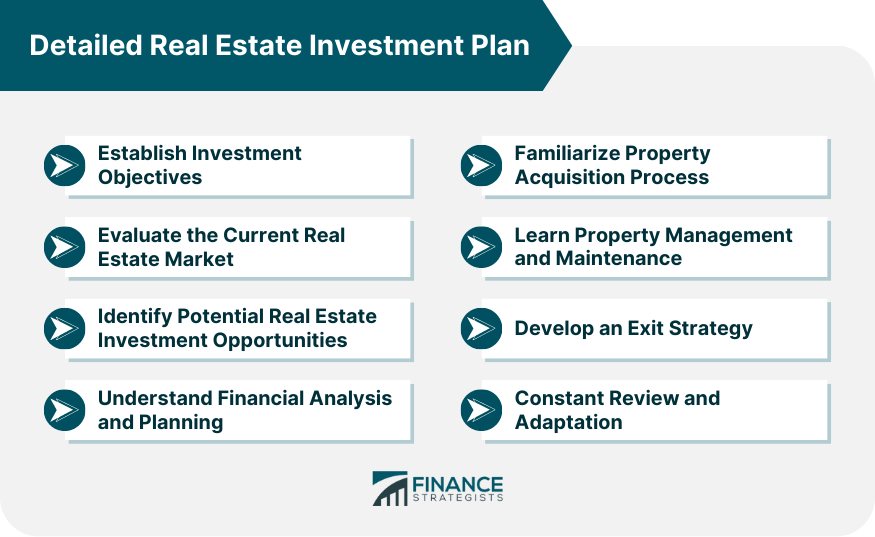
Real estate investment traditionally involves longer time horizons. Buying, managing, and selling property requires patience, capital commitment, and market timing that often unfolds over years rather than weeks.
Currency markets operate differently. They move in response to interest rate decisions, inflation data, and geopolitical developments. This creates opportunities for investors seeking shorter-term exposure without selling physical assets.
For property investors, the appeal is not necessarily to replace real estate but to add a liquid component that can respond to market cycles more quickly.
FxFinex has become part of this broader conversation as investors look for structured environments where currency trading can complement property-based portfolios.
Why Forex Appeals to Property Investors
Several factors explain why real estate investors are paying attention to forex markets:
Liquidity
Property transactions can take months. Currency trades can be executed in seconds.
Global Exposure
Property markets are local. Currency markets reflect global economic shifts.
Flexibility
Investors can adjust positions quickly in response to macro trends.
Capital Efficiency
Leveraged products allow exposure without committing the full capital required for real estate purchases.
This doesn’t mean currency trading replaces property investing. Instead, it adds another layer of diversification.
Platforms such as FxFinex.co provide access to forex markets in a format that aligns with investors who are already accustomed to structured, asset-based strategies.
Risk Management Parallels

Property investors are not strangers to risk management. They evaluate financing costs, tenant reliability, maintenance expenses, and market cycles. The same analytical mindset often applies when exploring leveraged markets.
In forex trading, risk management tools become central:
-
Stop-loss mechanisms
-
Position sizing
-
Margin monitoring
-
Exposure diversification
The structured nature of these tools can appeal to investors who already think in terms of portfolio balance and capital preservation.
FxFinex reflects this alignment by operating within a framework that emphasizes structured access and controlled exposure rather than speculative messaging.
Macro Trends Linking Property and Currency Markets
Interest rates connect real estate and forex markets more closely than many investors realize. Central bank policies influence mortgage costs, property valuations, and currency strength simultaneously.
When rates rise:
-
Property financing becomes more expensive
-
Currency volatility often increases
When rates fall:
-
Property markets may accelerate
-
Currency trends shift based on global capital flows
This macro connection encourages some property investors to track currency markets more closely. The ability to take positions in currencies can act as a hedge against shifts that also affect real estate values.
FxFinex operates within this macro-aware trading environment, where investors increasingly think across asset classes rather than within isolated silos.
Technology and Access

Modern trading platforms have lowered barriers to entry. Investors no longer need institutional infrastructure to access global currency markets. Instead, they can monitor positions from desktop or mobile devices while continuing to manage physical assets like property.
The key factors investors often evaluate include:
-
Platform stability
-
Pricing transparency
-
Asset range
-
Execution reliability
Fx Finex positions itself within this technology-driven landscape, aligning with investors who value operational clarity and cross-asset accessibility.
A Complementary Strategy, Not a Replacement
For real estate-focused investors, currency trading is rarely a substitute for property ownership. Instead, it serves as a complementary tool.
Property offers:
-
Tangible assets
-
Rental income
-
Long-term appreciation
Currency trading offers:
-
Liquidity
-
Shorter-term opportunities
-
Macro exposure
Combining both can create a more balanced investment profile. The key lies in choosing environments that support disciplined strategies and transparent conditions.
FxFinex appears within this broader shift as investors explore platforms capable of supporting diversified approaches to capital deployment.
Looking Ahead
As markets become increasingly interconnected, the lines between asset classes continue to blur. Real estate investors are paying closer attention to macroeconomic indicators that influence both property valuations and currency trends.
Platforms that provide reliable access to forex markets while maintaining transparency and structured trading environments are likely to remain part of this evolving conversation.
For investors accustomed to thinking long-term, adding a liquid market component can offer flexibility without abandoning the stability of property assets. In that context, the relationship between real estate and currency trading is likely to grow stronger — reflecting a more integrated approach to modern portfolio management.
- Monitoring Transactions in OFAC Sanctioned Countries
- Olympic Games in Italy: Milano-Cortina 2026 Winter Olympics
- Aviashow by Galaxsys: take off into a world of adrenaline and multipliers
- Joker Stoker Endorphina: The Slot That Laughs at Time – And Keeps Winning Hearts
- Chicken Pirate: When Chickens Rule the High Seas – A Deep Dive into This Playful Pirate Slot Adventu