

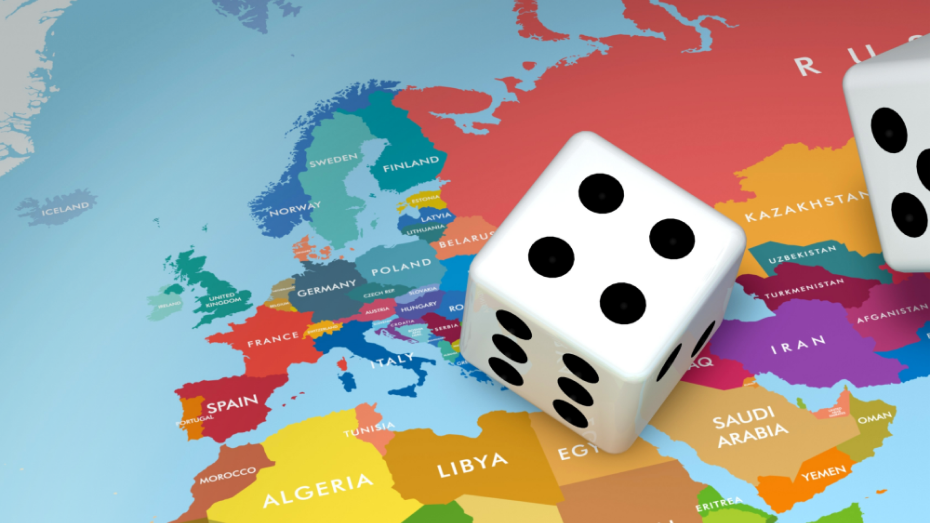
As online casino platforms continue expanding across Europe, Nordic players — especially Danes accustomed to a well-regulated market — often look for clarity on how rules differ from one EU country to another. To understand how online gambling laws evolve, it helps to look at regions where online casino culture is particularly strong, such as Cyprus, where local players often rely on casino insights to navigate digital regulations safely. Throughout the EU, laws vary dramatically, and this diversity creates both innovation and complexity within the iGaming sector.
This guide explores how European countries regulate digital gambling, the challenges of harmonising laws across member states, and how future frameworks may be shaped by technology and cross-border cooperation.
Why EU iGaming Rules Differ So Much
One of the most important characteristics of the European iGaming market is how fragmented it is. Each state follows its own logic, shaped by:
-
cultural attitudes toward gambling
-
economic priorities
-
social policies
-
technological readiness
For example, Denmark and Sweden have adopted open licensing systems that allow private operators to enter the market if they meet strict compliance standards. These countries see gambling as an activity to be controlled but not banned, and therefore focus heavily on consumer protection, identity verification, and responsible-gaming tools.
Other countries, like Estonia, took a more digital-first approach by building advanced regulatory frameworks that support online innovation and allow platforms to operate efficiently under monitored conditions. The result is a highly competitive market with strong oversight mechanisms.
Still others maintain restrictive policies, pushing many players toward international websites where regulations may be less demanding. The tension between consumer protection and economic interest is present in nearly every EU debate.
The Challenge of Creating Unified EU Regulations
Legal, cultural, and economic contradictions
Attempts to harmonise EU gambling laws face strong resistance because gambling is tightly connected to national identity and state revenue. Broad EU alignment would require every member state to compromise on long-held approaches.
Some of the obstacles include:
-
differing tax structures
-
conflicting moral or cultural norms
-
national monopolies that protect state income
-
variations in enforcement capacity
Countries with strict restrictions fear that full EU harmonisation could increase gambling problems, while liberal markets worry that EU-level regulations might limit innovation.
A Possible Middle Ground: Minimum Standards
One potential solution is an EU directive establishing baseline principles — such as player protection, transparency, and anti-fraud requirements — while allowing each state to decide its own implementation details.
Such a system could preserve cultural autonomy while improving cross-border consistency. However, it would still require extensive collaboration between regulators, operators, and policymakers across Europe.
Italy as a Regulatory Case Study
Italy offers one of the most mature iGaming markets in Europe. Its licensing system has attracted many international operators, while national regulations emphasise:
-
consumer protection
-
prevention of illegal gambling
-
strong identity verification
-
support for responsible-gaming initiatives
Italy’s tax system is strict, but it also generates significant government revenue. This has created a model where the economic benefits of gambling coexist with clear social safeguards.
Yet this structure has weaknesses. High taxes can discourage innovation, and slow regulatory adjustments make it difficult to respond quickly to new technologies. As mobile gaming, AI-driven personalisation, and cross-border casino networks expand, Italy may need to modernise more rapidly to remain competitive.
Even so, the Italian framework is frequently cited in EU discussions as an example of how to balance consumer protection with the financial realities of the gambling industry.
Future Trends: What Will Shape EU iGaming?
While the goal of a unified EU gambling framework remains distant, several powerful trends are influencing regulatory evolution across the continent.
1. Digital Verification and Safer Identity Checks
Countries with advanced digital identity systems — such as Denmark’s MitID — are paving the way for secure age verification, automated compliance, and fraud reduction. These tools may eventually become pan-European standards.
2. Greater Focus on Responsible Gambling
Nordic countries lead in implementing:
-
self-exclusion systems
-
deposit and loss limits
-
behavioural monitoring technologies
-
real-time risk detection
These tools may inspire policies in other states seeking to reduce gambling-related harm.
3. Cross-Border Cooperation
Regulators across Europe are increasingly sharing expertise on cybersecurity, financial transparency, and technology auditing. This shift allows more consistent enforcement even without unified laws.
4. The Rise of Cryptocurrency
As digital currencies become more popular among European users, regulators must address new challenges in transaction transparency and anti-money-laundering procedures. Scandinavian analysts tracking crypto trends expect digital payments to influence the next generation of gambling legislation.
5. Technological Adaptation
Artificial intelligence, blockchain, and automated monitoring systems are becoming integral to compliance. Nations slow to adopt these tools risk falling behind both economically and technologically.
Will the EU Ever Fully Harmonise iGaming Rules?
Although the European Commission has initiated several working groups to discuss common regulatory standards, progress is slow. National sovereignty remains a major barrier. Most countries prefer retaining individual control, particularly because gambling revenue plays an important role in local budgets.
The likely future is a hybrid:
-
partial harmonisation on safety and transparency
-
national autonomy on market structure and taxation
-
increased collaboration on cross-border enforcement
Such a model would reduce fragmentation without forcing member states into identical systems.
Conclusion: A Diverse but Connected European iGaming Future
The EU iGaming landscape is defined by contrast: strict countries beside liberal ones, advanced digital frameworks next to markets still adapting, and shifting expectations from tech-savvy users who demand safety and transparency.
While full harmonisation remains unlikely in the near term, shared challenges — cybersecurity, responsible gaming, youth protection, and financial transparency — are pushing member states toward closer cooperation.
For Danish players and others across the Nordics, understanding these differences helps navigate platforms more safely and choose operators aligned with strong digital protections. Over time, technology and cross-border dialogue may bring Europe closer to unified standards, even without a single regulatory code.
- GodOfCoins Casino: fast, secure, and built for real players
- Why players are switching to online casinos: a comparison with land-based casinos from the user's pe
- Japanese aesthetics in online casinos: why anime slots are becoming a global trend
- The Biggest Blowouts: Ben Mee's Role in Football's Largest English Victories
- Spins of Scandal: Slot Machines Where Politicians Gamble with Fortune