

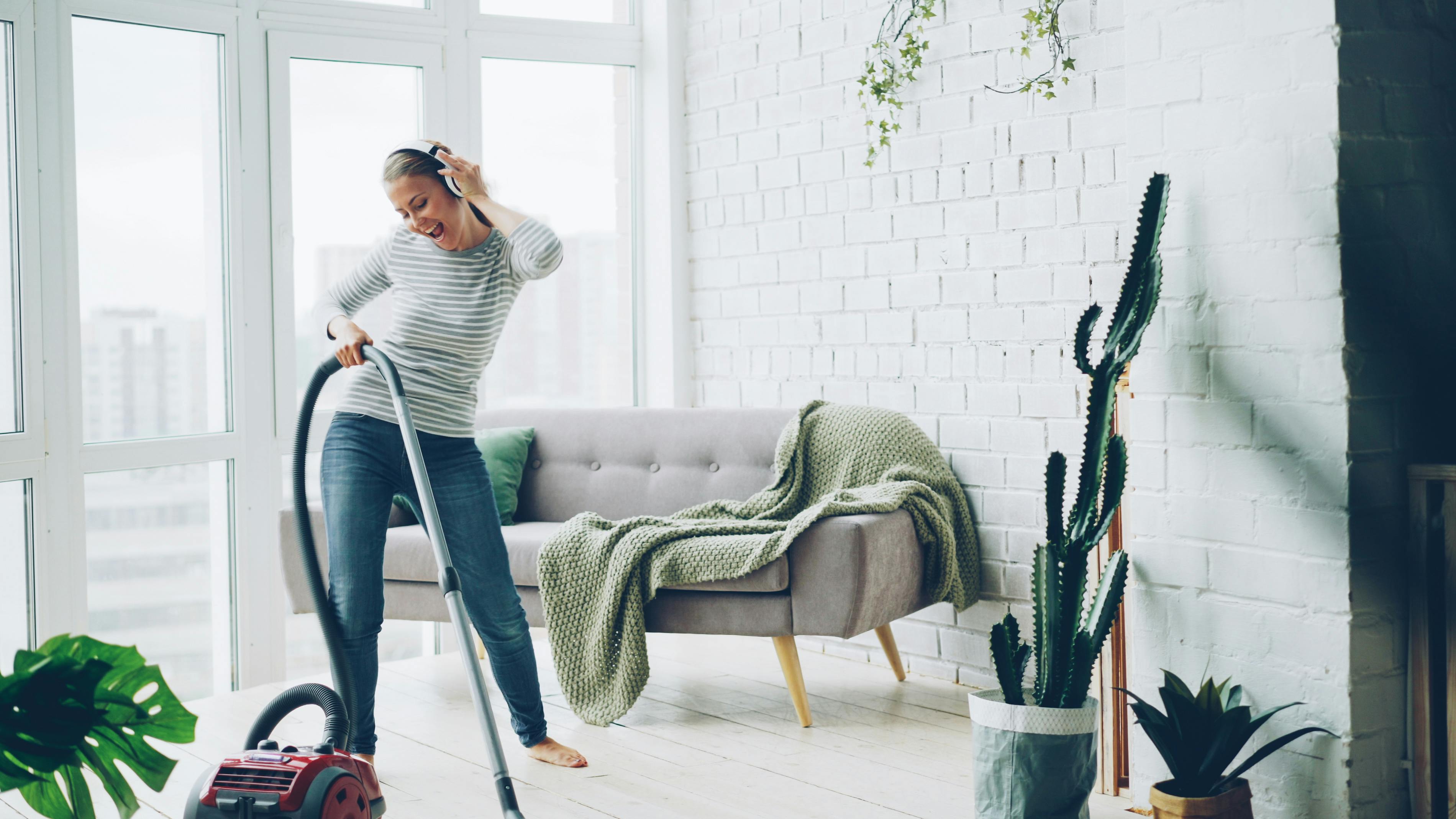
In recent years, the desire for cleaner, healthier, and more organized living spaces has shaped many modern home trends. Homeowners are increasingly focused on adopting solutions that enhance cleanliness and simplify daily routines. From innovative materials to the integration of smart technologies, today’s homes reflect both functionality and style. As more people spend greater time at home, priorities have shifted towards creating environments that support well-being and order. Modern trends encourage the elimination of clutter, improved air quality, and the use of sustainable products. For example, products like TEREA Tobacco Sticks reflect this shift towards healthier choices for the home environment.
Embracing Minimalism in Home Design
Minimalism has become a cornerstone of modern home trends, emphasizing simplicity and functionality. By focusing on the essentials, this design approach reduces clutter and promotes a sense of calm within the living space. Neutral color palettes, open floor plans, and streamlined furnishings are common features of minimalist interiors. The aim is to make each room feel airy and inviting, while also being easy to maintain. Minimalism eliminates unnecessary items, allowing homeowners to prioritize quality over quantity. This trend is not only visually appealing but also contributes to a cleaner, more organized home.
Streamlined Furniture Choices
Modern minimalist homes often feature furniture that serves multiple purposes, such as storage ottomans or modular sofas. These pieces are designed to maximize utility without occupying excessive space. The selection of clean-lined tables, chairs, and shelving units further supports the minimalist aesthetic. By choosing versatile furniture, homeowners can adapt their living spaces to changing needs. The trend also favors materials like glass, metal, and light wood, which are easy to clean and maintain. This focus on functionality ensures that each item contributes to both the design and cleanliness of the home.
Decluttering Techniques
Effective decluttering is integral to maintaining a minimalist home. Many people adopt systematic approaches, such as the “one in, one out” rule or seasonal purging, to keep possessions in check. Storage solutions, including baskets, bins, and built-in cabinets, help organize belongings and reduce visible clutter. The trend towards digitalization also minimizes paper documents and books in the home. As homeowners become more mindful about what they bring into their space, the result is a cleaner, more streamlined home. Consistent decluttering contributes to a sense of order and tranquility.
Incorporating Smart Technologies
Technological advancements have made it easier than ever to maintain a clean and efficient living space. Smart home devices automate routine tasks and monitor environmental quality, supporting a healthier home. These innovations save time and reduce the effort required for daily maintenance. From smart thermostats to automated vacuum cleaners, technology plays a crucial role in modern home management. The adoption of connected devices is a growing trend, offering homeowners increased control and convenience. Integrating these technologies into the home supports both hygiene and overall quality of life.
Automated Cleaning Devices
Automated cleaning solutions, such as robotic vacuum cleaners and mops, are becoming commonplace in modern homes. These devices can be scheduled to clean floors, carpets, and even windows at set intervals. They efficiently remove dust and debris, minimizing human effort and maintaining a consistently clean environment. Many models feature smart navigation and can be controlled via smartphone apps. This allows homeowners to monitor and manage cleaning routines remotely. As a result, maintaining a spotless home requires less time and energy.
Air Quality Monitors and Purifiers
With increased awareness of indoor air pollution, many homeowners are investing in air quality monitors and purifiers. These devices detect pollutants such as dust, pollen, and volatile organic compounds, providing real-time feedback. Air purifiers then filter out contaminants, improving the overall air quality within the home. This trend is particularly important for households with allergies or respiratory concerns. The ability to track and control air quality supports a healthier living environment. Technology-driven solutions enhance comfort and peace of mind for residents.
Prioritizing Sustainable and Health-Conscious Materials
Sustainability is at the forefront of modern home trends, reflecting growing concern for the environment and personal health. Homeowners are opting for materials that are eco-friendly, non-toxic, and easy to maintain. This shift impacts choices in flooring, paints, furniture, and cleaning products. By replacing conventional options with sustainable alternatives, individuals can reduce their exposure to harmful substances. The use of environmentally conscious materials contributes to a cleaner home and a lower ecological footprint. This approach aligns with a broader commitment to wellness and responsibility.
Eco-Friendly Cleaning Products
A significant number of homeowners are switching to cleaning products made from natural ingredients. These products are less likely to contain harsh chemicals, which can be harmful to both the environment and indoor air quality. Many brands now offer biodegradable packaging and plant-based formulas. Choosing eco-friendly cleaning supplies helps protect household members from allergens and toxins. Additionally, these products are often safer for use around children and pets. The demand for sustainable cleaning solutions continues to grow as awareness of their benefits increases.
Natural and Recycled Materials in Home Decor
Decor elements made from natural or recycled materials are gaining popularity in modern homes. Options such as bamboo flooring, reclaimed wood furniture, and organic cotton textiles are both attractive and sustainable. These materials are often durable and require minimal maintenance, supporting a cleaner living space. Choosing such options also reduces the demand for new raw materials, lessening environmental impact. Homeowners appreciate the health and ecological advantages of integrating natural resources into their decor. This trend promotes a balance between aesthetics, health, and sustainability.
Organizational Solutions for Every Room
Effective organization is essential for creating and maintaining a cleaner living space. Modern trends encourage the use of innovative storage solutions tailored to each area of the home. Well-organized spaces help reduce stress and make daily activities more efficient. The market offers a range of organizational products, from closet systems to kitchen drawer dividers. Implementing these solutions ensures that every item has a designated place, minimizing mess and confusion. Emphasizing organization enhances both functionality and cleanliness throughout the home.
Kitchen and Pantry Organization
The kitchen is a focal point for organization in many households. Modern trends favor pull-out shelves, labeled containers, and dedicated storage zones for pantry items. Clear jars and baskets improve visibility and accessibility, reducing food waste and clutter. Organizational products help maximize cabinet and counter space, contributing to a cleaner overall look. Homeowners also benefit from regularly reviewing and reorganizing their pantry contents. Keeping the kitchen tidy supports healthier cooking and eating habits.
Closet and Entryway Storage
Entryways and closets often become catch-all spaces for shoes, coats, and accessories. Modern home design addresses this with built-in cubbies, hooks, and adjustable shelving. Well-planned storage in these areas streamlines daily routines and keeps clutter out of sight. Using labeled bins or baskets for smaller items prevents disorganization. Effective closet and entryway solutions make it easier to maintain cleanliness and find essentials quickly. This focus on targeted storage contributes to the overall orderliness of the home.
- Minimalist design reduces clutter and simplifies cleaning.
- Smart technologies automate maintenance and enhance air quality.
- Sustainable materials and products support health and the environment.
- Organizational solutions make every room easier to manage.